Protect Your Investments

Did you know that you make numerous investments every signal day? 

If you are going to the gym, taking a yoga class, seeing a chiropractor or getting a massage... you are making an investment in yourself and your health.  What is the most effective way for you to protect these investments?

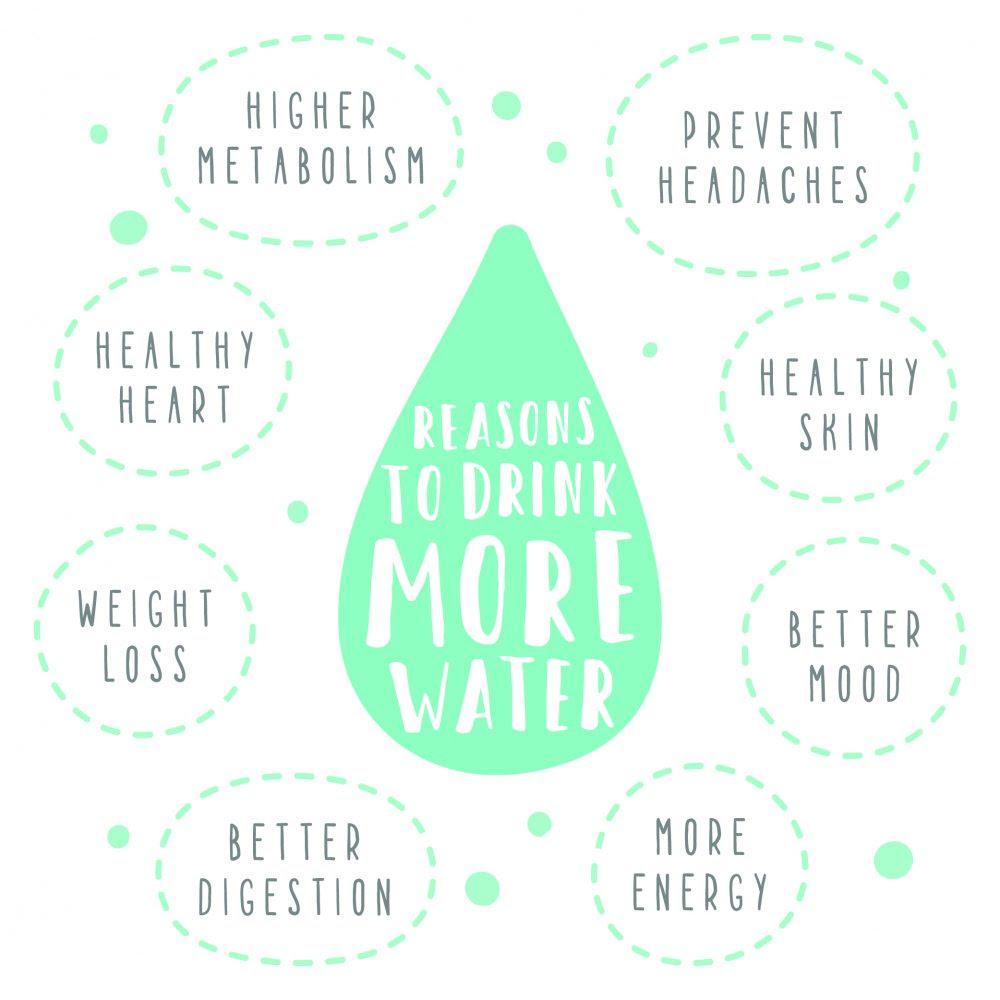
Water.  Seriously.  Water.  

Drinking water before and after strenuous physical activity increases the body's ability to fully benefit from the experience and significantly reduce the likelihood of injury.   Does it make sense to spend this precious time and energy and only receive partial benefit?  

When a chiropractor is providing treatment to someone who is not properly hydrated, it is like working with a completely dried out stiff sponge... Do you think that adjustment is going to  be smooth and hold for long?  Visualize it.. the answer is No.  Drink a reasonable amount of water the day before, of and after a chiropractic appointment.

Many seek massage therapy for pain or stress relief.  Massage focuses on releasing toxins, tensions and restrictions in soft tissue, muscles and tendons.  Massage increases the flow of blood, which consist of about 82% water.  Imagine a new can of play dough.  Until the play dough is warmed, moist and worked through it is stiff and difficult to bend and mold.  Add water... and wow, what a difference!  Protect your massage therapy investment and hydrate... your massage with be more effective and the benefits will last significantly longer!

How much water?  Ideally, 1/2 your body weight in ounces daily. 

Overcoming Conflict

Which is better, being right or being at peace?

In the middle of a conflict with a friend or a loved one it is easy to lose perspective and forget this question, but with practice you can create healthy relationship habits that carry through even the toughest times.

1) Keep the conversation solution-centered. 

Many times in an argument, both people push each other to only see the problem - one person harps on a mistake or a bad habit, and the other person becomes defensive of their behavior.

Instead, focus on the possible solutions that will minimize drama and place you and your loved one on the same team, not pitted against each other.

2) Conflicts repeat themselves.

Many arguments grow from recurring conflict.  Perhaps you and your loved one fundamentally disagree on a sensitive subject, or they handle situations differently and it rubs you the wrong way.  Engrained differences in character and perspective can lead to a loop of end;less arguments.  Fighting about it again and again does not usually resolve the root of the problem.

Try bringing the conversation to the next level -acknowledge that you both may never be on the same page about the issue.

3) Forgiveness.

Sincere forgiveness can  be a tremendous relief and a simple strategy to overcome conflict. Remember everyone is human, makes mistakes, and comes into relationships with a different perception of the world and their place in it. 

Does Gut Flora Effect Weight Management?

By: Deedra Mason, ND  nutraMetrix® | Director of Clinical Education & Research

Many of us have been under the impression that our gut and its flora are out of balance due to excessive weight.  That has been the popular idea for quite some time, but we are finding out that it may be the other way around! New connections between the health and balance of gut flora are changing the way we look at and interpret the ways these two are connected.

Healthy Gut flora can be enough to help you “whittle that waist”.  These studies are not quite sure which particular species of flora are important, but certain things have been made clear.  We now know that slender people and obese individuals have different gut flora.  Due to poor diets, gut flora can be thrown off balance.  In a study assisted by Cornell College called the British Gut Project, a participant was asked to eat a fast-food based diet for ten days to find out that he lost nearly 40% of his microbiome diversity.  This lack of diversity is a universal sign of poor health.

Thankfully, the literature supports the use of probiotics to help protect your gut flora which assists you in maintaining a healthy weight.

Researchers reported that “even though diet will affect gut flora composition, most studies conclude that gut flora on it’s own has an effect on weight. Alteration of the gut microbiota can be an important part of a weight loss program.”

Pro-biotics may assist the gut in gaining energy from polysaccharides, help the body in it’s sensitivity to insulin and how the body handles inflammation and energy use.   Several mechanisms have been proposed as to how gut flora regulates weight. Inflammation, energy from polysaccharides, insulin sensitivity and energy expenditure and storage are all affected by gut flora.

Probably the most important takeaway was learning that many will argue that a healthy diet will improve over all well-being, but many do not understand the impact of the simple balance of flora.  Having a poor gut flora balance may lead to sugar cravings, food cravings and therefore play a major role in influencing our food choices.

Seasonal Affective Disorder

What is SAD... Seasonal Affective Disorder?

Seasonal Affective Disorder (SAD) is a type of depression that is related to a change in seasons.  It usually begins and ends around the same time each year, beginning in fall and continuing throughout the winter months.  While most cases manifest in these colder months, a percentage of those with SAD experience a summer onset. Symptoms of summer SAD can be the opposite of winter-onset SAD.  In warmer months, people tend to experience sleep loss, weight and appetite loss, agitation, and increased anxiety.

 Who is affected by SAD?

This form of depression in four times more common in women than men, but 10 million people in the United States experience this form of depression.  It most commonly occurs in people between the ages of 18 and 30 and is more prevalent in locations that are further away from the equator with colder climates, or areas that are often cloudy.

What causes SAD?

The effects of limited sun exposure are the main culprits, so what causes summer SAD during the time of the year when many people are out and about enjoying the warmer weather and excited about vacation? There isn’t a definite answer, rather ideas about what may cause downward shifts in mood. In an interview with Quartz, psychiatrist and early SAD identifier Norman Rosenthal suggested that those with summer SAD have trouble transitioning and adapting to season changes. Other factors he suggested include:

  • Body image and the anxiety of wearing less clothing (e.g. bathing suit); this can also lead to isolation from social situations

  • Feeling bad because everyone else seems happier when spring and summer come along

  • Feeling pressure to be more sociable in warmer months (During the winter, there’s more comfort in knowing that many people spend time indoors)

  • The heat of summer itself; some people don’t like hot weather because it’s uncomfortable

 Changes in routine can also be a factor in summer SAD. Establishing a routine is important if you have depression. It helps keep you on track with goals that give you a sense of accomplishment and favor your overall health. During the summer, however, schedules can become less normal and varied affected by things like vacation or later nights from enjoying the weather outside.

Can I cure my SAD?

While there’s no cure to SAD, there are things that may help alleviate symptoms. Francine Martinez, Ph.D. of TherapyChanges.com suggests 20 minutes of sunlight a day, daily exercise, dietary changes that promote metabolism increase and add essential nutrients, human interaction, or meeting with a mental health professional may be helpful for balancing out your mood.

In terms of beneficial nutrients, there are also dietary supplements that have been proven to help with mood disorders. Market America Senior Scientific Researcher Crystal Shelton suggests five natural supplements based on research studies that may be beneficial.

  1. John’s Wort.

Compared to other natural products, St. John’s wort is extremely well-researched, and clinical studies have shown significant improvements in anxiety, insomnia, and poor mood.

  1. L-Tryptophan.

An essential amino acid known for increasing levels of serotonin in the brain, this supplement acts as a precursor for serotonin which is known to enhance mood and improve feelings of anxiety, aggression, and impulsiveness. Tryptophan also functions as a precursor for the production of melatonin, which helps promote restful sleep, improve mood and facilitate many other nervous system processes in the body.

  1. B vitamins.

These vitamins can have effects on the nervous system’s health which can affect mood and emotional health. Shelton stated that folic acid (B9) and vitamin B6 are required for the production of serotonin; deficiency in B12 can lead to mood swings and other mood issues, and deficiency in folic acid is common among patients with depression.

  1. L-Theanine.

Shelton said that studies show L-Theanine promotes relaxing effects and feelings of tranquility because it stimulates relaxing alpha waves in the brain.

  1. Omega-3 fatty acids.

These fatty acids have clinically demonstrated benefits for mood and mental health.  DHA (docosahexaenoic acid) was found to have positive effects for both mood and stress, and another omega-3 fatty acid called EPA (eicosapentaenoic acid) has also been shown in studies to be a source for improving symptoms of major depression.

Please note that these products are not intended to diagnose, treat, cure or prevent any disease. Also, some supplements may pose some contraindications for certain drugs and may not be for everyone. Check with your healthcare practitioner before using any new dietary supplement. 

Don't wait until you are thirsty

By:  Amanda Blount

The importance of being well hydrated is essential to your health whether you’re playing sports, traveling or just relaxing in the sun. With the temperatures on the rise, it is especially important to increase your fluid intake to counteract warmer temperatures and high humidity.

Our bodies are 60% water by weight, and consuming water is necessary to keep the body’s systems functioning properly, regulate body temperature and flush out waste. Ways of staying hydrated are drinking six to eight glasses of water each day (consult a doctor for specific amount specifically for you), drinking water before and during meals, and using reusable water bottles.

Listening to your body and drinking water throughout the day can avoid dehydration. Some of the signs your body can give are feeling thirsty, headaches or lightheadedness, fatigue, decrease in urine output, darkening of urine color to dark yellow or amber colored, and constipation. Dehydration can be a serious condition that can lead to problems ranging from swollen feet or a headache to life-threatening illnesses such as heat stroke.

Drinking clear fluids throughout the day is the best way to stay ahead, don’t wait until you are thirsty or fatigue.

Mom always said...

2017-PD-Seminar.jpg

Mom always said... "Learn from my mistakes; you're going to make your own along the way, but when you can, learn from mine as well".   At one time this confused me, but now that I am older and have made MANY MANY of my own mistakes, I understand and I'm working everyday to "Pay it Forward"

From a health perspective, I'm a work in progress; just like many of YOU.

I'm a former smoker, caffeine junkie, binge eater of sugar free, fat free, low calorie packaged food of all sorts.  I was overweight, had terrible mood swings, slept very little, had low energy and major brain fog.  And then... it all caught up with me.  My life was changing... and moving in a direction that was not toward anything good.

I'm blessed that a life changing event in my health "pushed" me to make major changes over a decade ago. I don't regret a moment; and those major changes were made by a series of small changes I chose to make in following what fuels and energizes my mind, body and spirit daily.

The Solution...  It's about BALANCE.  Even the most "practiced" yoga instructor cannot hold a tree balance pose "constantly".  Its about making small adjustments on a regular basis to "re-steady" our Balance. The more practiced you are at "re-steadying" yourself.. for Balance... the more habitual it will be.  

As a Health Coach, I am Not going to tell you what you can and cannot eat.   Nor will I tell you what you should or should Not do.  That would not be effective... except maybe as a short term quick fix.   My choice is to help you understand what you are doing, the impact it is having and to support you in Making Healthy Choices... into Healthy Habits. 

If you're READY, consider joining me in one of the several approaches I offer through Body Be Well Solutions; together we can support each other... because of course, I'm still learning as you are.

Anti-Aging

www.exploresupplements.com

The natural effects of aging on your body and mind can affect your quality of life. Slowing metabolism and memory loss are just a couple of the realities that may affect you as you age. Fortunately, there are ways to help maintain your youthful quality of life.

What is aging?
Aging is a progressive failure of metabolic processes in the body. Since all of our cells and their functions are intertwined, our bodies start to deteriorate once the cells’ function start to decline. But slowing the process of aging isn’t as simple as doing one or even two things differently; it takes a multi-faceted approach to slow the aging process and gain our optimal health.

Lifestyle, nutrient intake and obesity
First and foremost, we need to establish a healthy foundation. As we age, this foundation becomes increasingly important to improving the health of our cells. Our cells are do-everything soldiers in our body. When we get hurt, our cells help us heal. When we get sick, our cells help us feel better. When we exercise, our cells help us recover.

But over time, our cells don’t work as hard. That’s just natural. But if you don’t treat your body right – eat the wrong foods, don’t exercise, have unhealthy habits like smoking – you are doing even more damage to your cells, which can accelerate the aging process.

Systematic approach to the endocrine system
What exactly is the endocrine system and why is it important for healthy aging? First, the endocrine system creates hormones in your body affecting metabolism, growth, development, tissue function and even mood. So it’s got a lot to do with a wide array of functions within your body.

Second, our hormone production decreases with aging, making it more difficult to repair and regulate body functions. And because hormone production is interactive, a drop in any one hormone may lead to an imbalance in many others, wreaking havoc on the entire endocrine system. Keeping the endocrine system healthy can help slow the aging process.

We age because our hormone production declines; our hormones don’t decline because we age.

See: What is Human Growth Hormone?

Age-related conditions
Sleeplessness. Diminished mental capacity. Joint and muscle pain. Decreased sexual desire. These are just some of the age-related conditions that we worry about facing as we get older. But there are all-natural ways to help slow the onset of all these conditions. We just have to start by looking at some labels.

  • Sleep: Some thing might not change when we get older – many of us keep hectic lifestyles and remain stressed throughout our lives. All of this affects how we sleep. But for older people, the relationship between sleep and aging becomes even more important. A lack of sleep takes a toll on our health. For those looking for more sleep, increasing the hormone melatonin could help sleep quality.

  • Mental Acuity: One of the most important aspects of our health is our mental capacity. Studies have shown that hormone levels, reflexes and memory neurotransmitters show slight decreases each year after we reach our middle aged years. It’s important to help enhance our cognitive function by inhibiting oxidative stress and maintaining healthy blood circulation to the brain.

  • Achy joints: more than 30 percent of adults experience joint pain, and the older we get, the more joint pain can affect us. Studies have shown that ingredients such as glucosamine, Pycnogenol and hyaluronic acid can help with flexibility, inflammation and fluidity for bone and joint health.

  • Libido: Menopause and decreased testosterone production are key reasons for a decrease in sex drive when we age. But fear, anxiety and depression about aging can also affect your sex drive. Nitric oxide capacity also decreases with age, which plays a role in sexual performance. Supplementing with products designed to increase testosterone and estrogen, as well as increasing nitric oxide capacity, might help improve sexual desire.

Anti-aging doesn’t start when you’re retired. We have to start young to stay young. By understanding what causes our bodies to decline with age, we can begin a regimen to prevent it from starting too soon. That way, we can find the Fountain of Youth within ourselves.

Stop Hiding.

By: Amy Blaschka

I have a confession to make: this time of year has always been a low point for me. 

While everyone else was busy making resolutions, I'd be in a funk, wallowing in What am I going to do with my life? misery, questioning my purpose and existence.

Heavy, I know. 

Especially for someone who has been called a "glowing ball of happiness" and prides herself on being infectiously positive.

But after years of feeling stuck, I found a turning point in 2017, though I didn't fully realize it at the time.

My life began to change once I did one thing: stop hiding.

For as long as I could remember, I had been hiding in plain sight. Hiding from my true self, a creative person. A creator. A writer. 

I had subconsciously placed myself at the periphery, yet longed to jump out from the shadows and into the action. I hadn't fully stepped into the role of what I love to do: communicate with emotion to connect with others. 

It sounds simple, but in practice, it was incredibly hard to do. Why? Fear.

I was scared. Scared of being vulnerable. Of facing ridicule. I questioned why I had the audacity to think I could pull this creative thing off. I was plagued by "imposter syndrome," foolishly believing I wasn't good enough.

It was safer to hide.  But the more I retreated, the more I felt like every day a little bit of me was dying inside. I wasn't just stagnating; I was withering away.

That all changed earlier this year when I mustered up my courage to step into my true self.

When I stopped hiding, amazing things began to happen. People "saw" me. The right people. And I'm not just talking about the clients who put their trust in my creative abilities or those who engage with my content. The most important person who finally saw me as the "Creative Amy" was the woman staring at me in the mirror.

Real change happens when you align your attention with your intention and then take action. 

In my case, when I finally embraced my true self:

· I shifted my consultancy to a strategic writing practice, helping fantastic clients tell their unique stories to build their brands and reputations as thought leaders.

· I was told — more than once — that my content had inspired and motivated others, which inspired and motivated me to continue on my path.

· I was invited to speak at several events on content creation and strategy, communication, connection, and branding.

· I connected with thousands of people across the globe and amassed an engaged following of like-minded, positive individuals.

· I started to thrive in every area of my life. Personally and professionally, I gained clarity of purpose, true fulfillment, and happiness once I was free to be me.

· I co-authored my first book, designed to help others find their own creative catalyst and unleash their potential.

And most importantly, for the first time in as long as I can remember, I am filled with excitement and anticipation for the new year.

Here's to new beginnings, to lessons learned, and to finding your place in the sun. 

Are we too quick to say goodbye to our "negative" emotions?

By: Jessica Slattery

We are blasted daily with messages to push our “negative” emotions aside, and to focus on our positivity instead, and while those messages have a place, is it necessarily the best idea to immediately push aside our hurt or anger?

I propose, that allowing yourself to take a little walk on the “negative” side can actually be beneficial.

The moment you find out you didn’t get the job you interviewed for, or you received another rejection letter, or you simply spilled tea all over yourself on your way into work, can easily cause your day to take a downturn. We’ve all been there in some form or another, and if you hop on Instagram, or talk to a friend, you are right away told to look at the bright side and move on, or something about closed doors and open windows. Even though it may seem helpful to assault your hurt or sadness with positive quips and quotes, you may actually be doing yourself a disservice.

I wholeheartedly believe in the power of positivity. I believe that it is what gets me through hundreds of doctors’ appointments, countless tests, and never ending setbacks. However, I believe that hurt and sadness can be equally powerful tools.

I know for me, that because I do ride the positivity train all day every day, when a glimmer of frustration or gloom crept into my life in the past, I would try my hardest to push it away as quickly as possible.

As if I wasn’t allowed to ever feel sad about things like not being able to have any more children, or because I know someone who has it so much worse than I do, that my own hurt and complaints are petty.

It wasn’t until I was telling a piece of my story to someone new, and she stopped and looked at me, and said, “You’ve been through so much.” I, of course, brushed it off with a nervous giggle, and told her, “Oh, yeah. Well, we all have something. I’m fine.” However, she continued to probe me. Normally, this would annoy me, because I don’t really like to talk about all of my health woes, especially with people I haven't known for a very long time, but then she said, “You know, a lot of women do that. They brush off their own hurt to make everyone else comfortable. It is ok to be angry as hell at what you’ve had to go through. It’s ok to be sad and frustrated.”

She was absolutely right. I believe that often times us, as women, are conditioned to diffuse situations and make those around us feel comfortable even if we aren’t comfortable ourselves.

So, from that moment on, I stopped trying so hard to brush the hurt away. Instead, when I feel frustrated that a doctor isn’t really hearing me, or I’m a little sad when I sit in a waiting room with a pregnant woman and her husband, I let myself feel it. I let myself sit in that emotion for a moment, and I validate it for myself. I am allowed to feel sad, angry, frustrated, scared, or whatever. It doesn’t make me less of a person, and it definitely doesn’t mean that I’m not a fighter. It means that I am human, and that my heart is capable of having a moment of sadness, while still maintaining a positive outlook.

Once I embraced my own hurt, and quit suppressing it with an onslaught of forced positivity, I became a more relaxed person. When you are constantly fighting your own emotions, you begin to doubt yourself and feel like you are the only person who struggles with hurt, anger, or sadness, and that can be incredibly isolating.

Instead, if you simply allow yourself to feel that emotion, and then work through it, rather than suppress it, you’ll find not only a much better way to cope, but also a better way to understand yourself and your own needs, and that knowledge is as powerful as positivity.

So, if you spill tea all over yourself on your way into work, and you feel like you want to cry, do it. Go ahead and cry and be angry, and then, when you’re ready, march into that office with your tea-stained shirt and your head in the air, because you just tended to your emotions like a boss.

I'm paying it forward...

unnamed.png

My story

Mom always said... "Learn from my mistakes; you're going to make your own along the way, but when you can, learn from mine as well".   At one time this confused me, but now that I am older and have made MANY MANY of my own mistakes, I understand and I'm working everyday to "Pay it Forward"

From a health perspective, I'm a work in progress; just like many of YOU.

I'm a former smoker, caffeine junkie, binge eater of sugar free, fat free, low calorie packaged food of all sorts.  I was overweight, had terrible mood swings, slept very little, had low energy and major brain fog.  And then... it all caught up with me.  My life was changing... and moving in a direction that was not toward anything good.

I'm blessed that a life changing event in my health "pushed" me to make major changes over a decade ago. I don't regret a moment; and those major changes were made by a series of small changes I chose to make in following what fuels and energizes my mind, body and spirit daily.

The Solution...  It's about BALANCE.  Even the most "practiced" yoga instructor cannot hold a tree balance pose "constantly".  Its about making small adjustments on a regular basis to "re-steady" our Balance. The more practiced you are at "re-steadying" yourself.. for Balance... the more habitual it will be.  

As a Health Coach, I am Not going to tell you what you can and cannot eat.   Nor will I tell you what you should or should Not do.  That would not be effective... except maybe as a short term quick fix.   My choice is to help you understand what you are doing, the impact it is having and to support you in Making Healthy Choices... into Healthy Habits. 

If you're READY, consider joining me in one of the several approaches I offer through Body Be Well Solutions; together we can support each other... because of course, I'm still learning as you are.

Vitamin D Deficiency & Daylight Savings

By: Amanda Blount

It is around this time of the year where Daylight Saving Time means you can start getting excited about an extra hour of sleep, but it comes with a drawback: your exposure of sunlight decreases. Vitamin D is a fat-soluble, necessary nutrient that our skin synthesizes when exposed to the sun. With the sun is the major natural provider, a decrease of sunshine due to shorter days and cooler weather means that winter can be a serious problem for people with vitamin D deficiency.

Depending on your location sunlight may be an issue. Through sunlight exposure, the body is designed to change vitamin D into a substance called 25-hydroxyvitamin D.  Your body must have vitamin D to absorb calcium, promote bone growth and regulate other body functions. But, winter months can be harsh enough to keep people indoors, limiting your body’s ability to produce the calcium you need for optimal health.

Due to the winter season, the body’s ability to produce the ideal vitamin D levels may already be subdued.  This is a concern because you become at risk for a weakened immune system, rickets, or the development of bone abnormalities such as soft bones and fragile bones if your body doesn’t get adequate vitamin D.

While being mindful of UV radiation, thirty minutes of sun exposure to the face, back, or legs at least twice a week can provide you with a sufficient amount of vitamin D.  If you find yourself in a place where direct sunlight isn’t a possibility, there are two alternate methods of fulfilling your body’s vitamin D needs. These include food and supplementation. Foods that are naturally rich in vitamin D are fatty fish, eggs yolks, liver, and cheese. They are perfect to add to your diet during the colder, cloudier months of the year.

If you follow a plant-based diet or simply aren’t getting enough vitamin D from your dietary intake, you may need to look to supplementation and fortified foods. Cereals, yogurt, and orange juice are commonly found with added vitamin D, and there are a number of types of non-dairy milk that offer fortified options as well.

Vitamins D2 and D3 two great forms of vitamin D to look out for, although D3 is more commonly recommended because it is the naturally occurring form of vitamin D found in the body.  While time-of-day doesn’t seem to have much impact on the absorption of this supplement, it is fat-soluble which means your body will make better use of it if taken with a meal.

As Daylight Saving Time approaches, don’t forget to be sure you’re getting the vitamin D you need for optimal health this holiday season!

Vitamin D.JPG

"Bad" Cholesterol vs "Good" Cholesterol

So what do those cholesterol numbers really mean? Here is some information to provide you with a general understanding between “Good” and “Bad” cholesterol.

“Bad” Cholesterol     (aka LDLs are "L"ousy)
Low density lipoproteins, or LDLs, are the second smallest of five lipoproteins in the body and carry lipids and triglycerides through the body. LDLs have a lower density of proteins compared to lipids. Low density lipoproteins cholesterol (LDL-C), or “bad cholesterol,” is cholesterol that travels through the body while attached to LDLs. LDL-C can have very negative effects on the body, as increased levels can lead to clogged arteries, which in turn can initiate heart disease.

Reducing “bad” cholesterol
It is important to maintain low levels of LDL-C. There are a number of ways that a person can decrease LDL-C, including lifestyle changes and prescribed medication.

Lifestyle changes: One should decrease fat intake and avoid foods that are high in saturated fats and instead include those with monosaturated fats, polyunsaturated fats (found in peanut, canola and olive oils) and soluble fiber. In addition to modifying your diet, regular exercise, reducing alcohol consumption and cessation of smoking can decrease LDL-C levels and increase HDL-C levels, which combat the negative effects of “bad cholesterol.”

Prescribed medicine: Since higher levels of LDL-C have been linked to increased risk for heart disease, doctors may prescribe drugs that counter increasing levels. Drugs that, in conjunction with diet and exercise, may work to increase HDL-C levels include statins and nicotinic acid. Triglycerides, other harmful materials that may be transported by LDL, can be decreased with fibrates.

“Good” Cholesterol            (aka HDLs are "H"appy)
High density lipoproteins, or HDLs, are the smallest of five lipoproteins in the body and carry lipids and triglycerides through the body. High density lipoprotein cholesterol (HDL-C) is cholesterol that travels through the body while attached to HDLs. The body benefits from increased levels of HDL-C because the HDLs remove cholesterol from the arteries and prevent excess buildup which can lead to heart disease. HDL then carries cholesterol back to the liver, where it can be used effectively. HDL-C is thus labeled “good cholesterol” for its ability to push the travel of lipids and triglycerides through the blood stream.

Increasing “good” cholesterol
It is important to maintain higher levels of HDL-C to combat the effects of LDL-C, or “bad cholesterol.” Generally speaking, a healthy person will have about 1/3 of their cholesterol carried by HDL. Women generally have higher levels of “good” cholesterol than men. However, men and women can both increase HDL-C levels with the aid of lifestyle changes and prescribed medication.

Lifestyle changes: Diet and exercise can also serve to raise HDL-C levels. One should decrease fat intake and avoid foods that are high in saturated fats and instead include those with monosaturated fats, polyunsaturated fats (found in peanut, canola and olive oils) and soluble fiber. In addition to modifying your diet, regular exercise, reducing alcohol consumption and cessation of smoking can increase HDL-C levels.

Making small adjustments on a regular basis to "re-steady" your Balance

It's about Balance.  Even the most "practiced" yoga instructor cannot hold a tree balance pose "constantly". Its about making small adjustments on a regular basis to "re-steady" our Balance. The more practiced you are at "re-steadying" yourself.. for Balance... the more habitual it will be.  Take your time... and practice some Balance.  Need help..? Classes are offered regularly on Mondays starting at 645pm. 

Class & Event Registration Form

One conversation could change everything...

When was the last time you spoke with someone about your Health, 

and got the Personal Attention You Deserve? 

One conversation could change everything... 

Accepting registrations NOW for

"Making Healthy Choices for Your Personal Balance"

What is Healthy to You? session 1

How Do You Know What to Buy? session 2

How Do You Make Healthy a Habit? session 3

Program cost includes, 2 classroom sessions, 1 grocery store field trip and a Healthy Habits Pack with over a dozen items to get you started!

Is Your Diet Giving You a Headache?

Deedra Mason, ND  nutraMetrix® | Director of Clinical Education & Research

Is your diet giving you a headache?  You might want to take a second look if you have more than three headaches per month.  For decade’s experts in migraines, which is a predominantly a female complaint and experts in a cluster headache, which are more common in men, have noted the link between nitrate food additives and medications for cardiovascular disease, specifically angina pectoralis, and a greater frequency and severity of a headache.(1)

As much as 80% of patients being treated with nitroglycerine complain of headaches with a reported 10% unable to tolerate the head discomfort so much so they choose to forgo treatment of their condition as a result (2).  The numbers of individuals troubled with migraines and cluster headaches are staggering at 1 in 4 US households include someone with chronic headaches in need of treatment. Perhaps more disturbing than 38 million sufferers in the US is that 10% or nearly 4 million are children (1).  What if there was a common thread between headaches and an individual’s response to nitrates or nitroglycerin.  Nitroglycerine is not of concern; no one is suggesting we stop using Nitroglycerine; the interest in the research today is the underlying trigger behind a headache in individuals using nitroglycerine and other headache co-morbidities.

Because we do not fully understand the mechanism and trigger behind a headache, therapy is frequently haphazard or simply reactionary.  Meaning more effort is put towards how to remedy a headache vs. preventing one altogether.  A classic villain in the headache presentation is nitrite, tyramine, and sulfite rich foods such as aged cheeses, brewer’s yeast and yeast-containing foods such as bread, soups, pickled, aged, smoked and fermented meats, chocolate, citrus fruits, red wine, and beer. Migraines can be triggered by these components and may be relieved by identifying and avoiding the problem foods (4, 5).  Lactose-intolerant individuals may benefit from avoiding milk and ice cream.  Occasionally those who suffer from migraines also react to salt, and eliminating salt is helpful for some of these people. Various individuals will also respond to a lower protein diet.

Is just food avoidance, or is there a deeper layer of pathology to discover? Some clinicians trained in functional medicine agree there is a food allergy component that must be addressed. Specifically, gut histamine activity from reaction to foods or environment.  Histamine is abundant with fermented foods and when mast cells, (a white blood cell that degranulates in an immune response) release their contents in an inflammatory cascade in response to an allergenic trigger.   The evidence for the link between gut health and headaches are growing but not well accepted by all practitioners.

What if there is a common link?

New research says there is more than just a dietary link, chronic and frequent headaches may actually occur because of a lack of a particular enzyme or insufficient natural bio-culture in the gut and oral cavity.  The body, due to a lack of certain foods, may insufficiently produce an enzyme called Diamine Oxidase (DAO).  Some individuals genetically are under producers; this is one reason experts believe headaches and gut disorders are familial. When DAO is low, histamine is often high.  Which came first, the chicken or the egg? Is DAO low BECAUSE of histamine, or is histamine high because of a low DAO.  Either way, there is new evidence that healthy gut biota is the answer.  When there is insufficient bacterial culture or diversity, this balance between DAO and histamine production may be problematic.

Diamine oxidase is linked to the breakdown of histamine and the potential tempering of gastrointestinal hyperpermeability symptoms (6). Considering the crossover of headaches in sufferers of GI complaints, it may be time to explore the common thread and work toward its management.

The brain connects to the gut in an intimate way.   The neural and endocrine pathways that affect cardiovascular tissue, cerebral vascular flow, in particular, are just as intimately linked.  Studies show oral probiotics, the breakdown of cGMP and nutrients that generate an enzyme called Diamine Oxidase are the links between a healthy gut terrain and a metabolic environment that is proactive in preventing the cluster, migraine and tension headache.

What can you do if you suffer from frequent headaches?

This new look at gut health may offer rescue for many. It turns out the introduction of probiotics; antioxidants, digestive enzymes, and Vitamin C have a benefit on the microbiome, which in turn has the potential to interact with histamine and the link between headaches and gut hyperpermeability.

Since some gut bugs are their own producers of histamine, the counterbalance of other probiotics is necessary to support a healthy gut biome by breaking down histamine.  Specifically, Lactobacillus Plantarum and Lactobacillus reuteri (7).  If you suffer from headaches, you may consider complimenting your probiotics with inulin, a resistant pre-biotic starch.

Antioxidants like OPC’s and Vitamin C naturally reduce histamine by regulating mast cell activity.   In addition, OPC’s may affect the production of Diamine Oxidase especially important in those that may have a genetic pre-disposition to poor production. (8)

It is not a linear line to a migraine-free existence; it is, however, a very good start. It might be YOUR step in the right direction.

References:

1-https://migraineresearchfoundation.org

2- Migraines Are Correlated with Higher Levels of Nitrate-, Nitrite-, and Nitric Oxide-Reducing Oral Microbes in the American Gut Project Cohort. Antonio Gonzalez, Embriette Hyde, Naseer Sangwan, Jack A. Gilbert, Erik Viirre, Rob Knight. mSystems Oct 2016, 1 (5) e00105-16

3- National Institute of Neurological Disorders and Stroke. NINDS Headache Information Page Accessed 7/1/2015.

4-American Headache Society Alcohol and Migraine Accessed 7/1/2015.

5-National Headache Foundation. Diet and Headache – Foods Accessed 7/1/2015.

6- Suppression of Histamine Signaling by Probiotic Lac-B: a Possible Mechanism of Its Anti-allergic Effect Shrabanti Dev.; J Pharmacol Sci 107, 159 – 166 (2008)2.

7-Histamine Derived from Probiotic Lactobacillus reuteri Suppresses TNF via Modulation of PKA and ERK Signaling.; Carissa M. Thomas February 22, 2012https://doi.org/10.1371/journal.pone.0031951

8-Vitamins and mast cells. Anogeianaki A.; Int J Immunopathol Pharmacol. 2010 Oct-Dec;23(4):991-6.